
Buying a second home in Uttarakhand is not simply a lifestyle decision. It is a decision about how you want to spend your time, how much responsibility you are prepared to manage and what kind of ownership experience you expect over the years.
For some buyers, a private villa is the ideal choice because it offers space, independence and flexibility. For others, a compact cottage may be more practical, comfortable and easier to maintain. There are also buyers who want the experience of owning a mountain home without personally coordinating every maintenance, security and operational detail. For them, a managed residence may be a more suitable option.
Each format has its own advantages and responsibilities. The right choice depends on your family, intended usage, location preference, maintenance expectations, budget and long-term plans.
This guide explains the difference between a villa, cottage and managed residence and helps you understand which format may be right for your second home in Uttarakhand.
Why are people considering a second home in Uttarakhand?
For many families, city life has become increasingly fast, crowded and demanding. A second home in the mountains provides an opportunity to create a slower and more meaningful personal environment.
A well-chosen mountain property can be used for:
- Weekend escapes from Delhi NCR and other cities
- Extended family holidays
- Remote working and longer stays
- A peaceful retirement residence in the future
- A private place for family gatherings
- A personal holiday home
- A long-term lifestyle asset
- Occasional hosting or rental use, subject to applicable rules and practical feasibility
However, buying a second home should not be based only on photographs, views or emotional excitement. The property must also work in real life.
You should consider access, water, electricity, internet connectivity, drainage, construction quality, maintenance, security, nearby services and the amount of time you can realistically spend there.
A beautiful property that becomes difficult to maintain or access may not deliver the ownership experience you expected.
What should your second home actually do for you?
Before comparing villas, cottages and managed residences, first define the purpose of your purchase.
Ask yourself:
- How frequently will you visit the property?
- Will you stay for weekends or several weeks at a time?
- Will your parents or older family members use the property?
- Do you need multiple bedrooms for children and guests?
- Will the property remain locked for long periods?
- Do you want complete control over the property?
- Are you comfortable managing repairs and maintenance from another city?
- Do you want a private home or a more organised community environment?
- Is personal use more important than rental potential?
- Do you want the property to remain useful for your family ten or twenty years from now?
These questions can help you avoid choosing a property simply because it looks attractive during a short visit.
A second home should fit your real lifestyle, not an imagined lifestyle that may never happen.
Villa, cottage or managed residence: what is the difference?
What is a villa?
A villa generally offers a larger and more independent living environment. It may include multiple bedrooms, spacious living areas, private outdoor space, balconies, terraces, gardens or parking.
A villa is usually suitable for buyers who want more privacy, greater control and enough space for family members and guests.
The word “villa”, however, does not automatically guarantee quality, privacy, legal clarity or maintenance support. Buyers must still verify the title, construction, access, utilities, approvals and ownership structure of the specific property.
What is a cottage?
A cottage is generally a smaller and more intimate residence. It can be suitable for couples, small families or buyers who want a comfortable weekend retreat without maintaining a large home.
A cottage may be easier to furnish, operate and maintain, but it may offer less space for extended stays or large family gatherings.
Buyers should not assume that a cottage will always be simple or inexpensive to maintain. It still requires reliable water, electricity, drainage, heating, security and regular inspection.
What is a managed residence?
A managed residence is a property where selected maintenance, operational or common-area responsibilities are coordinated through a professional management structure.
Depending on the project, management services may include landscaping, common-area maintenance, security, cleaning coordination, repair assistance or support while the owner is away.
The exact services differ from one project to another. Some managed residences may offer extensive support, while others may only maintain shared areas.
A managed residence should never be considered completely maintenance-free without reviewing the written management agreement, service schedule, recurring fees and owner responsibilities.
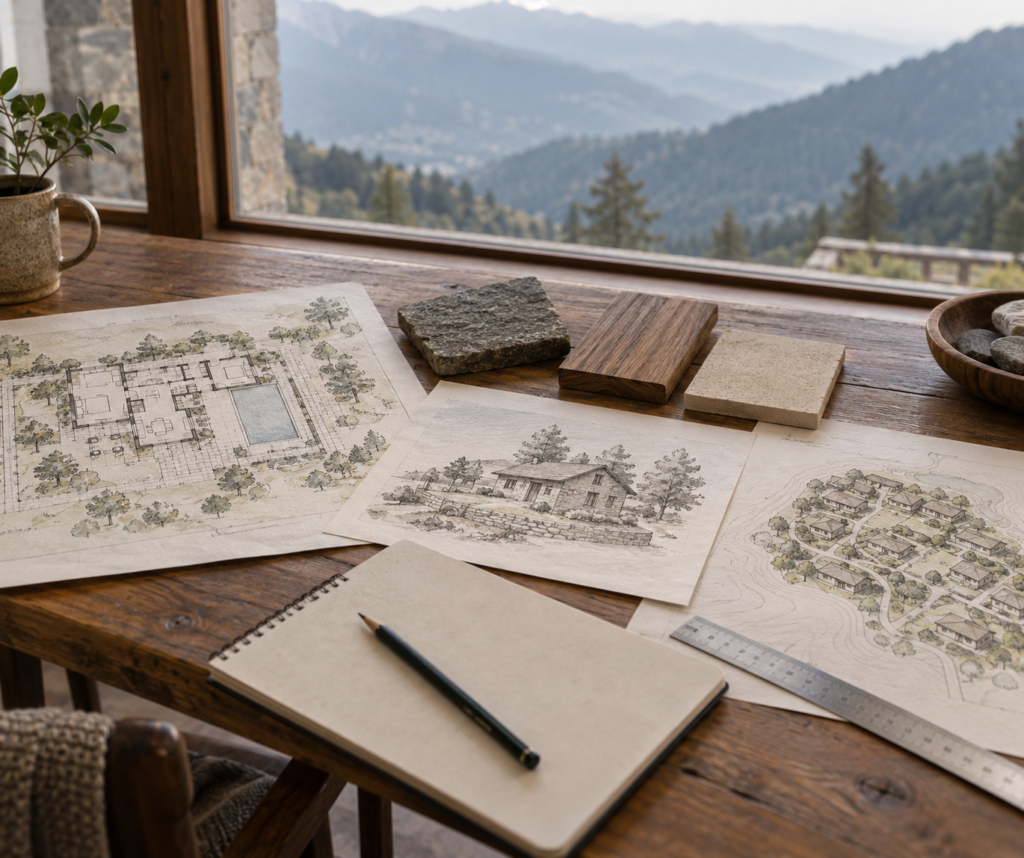
Villa vs cottage vs managed residence
| Factor | Villa | Cottage | Managed residence |
|---|---|---|---|
| Privacy | Usually higher | Often intimate | Depends on the community |
| Space | Suitable for families and longer stays | Suitable for couples and smaller families | Varies by residence |
| Personal control | Generally higher | Usually good | May be subject to community rules |
| Maintenance | More owner responsibility | Lower scale but still necessary | Some services may be coordinated |
| Time away | Requires a caretaker or support system | Requires regular inspection | Designed for greater operational support |
| Family gatherings | More flexible | Limited by size | Depends on the residence |
| Personalisation | Usually greater | Usually moderate to high | May be limited by project standards |
| Best suited for | Families and long stays | Smaller households and short stays | Owners seeking convenience and support |
This table is only a general comparison. The actual suitability depends on the property, location, management structure, documentation and quality of services.
Choosing a villa as your second home
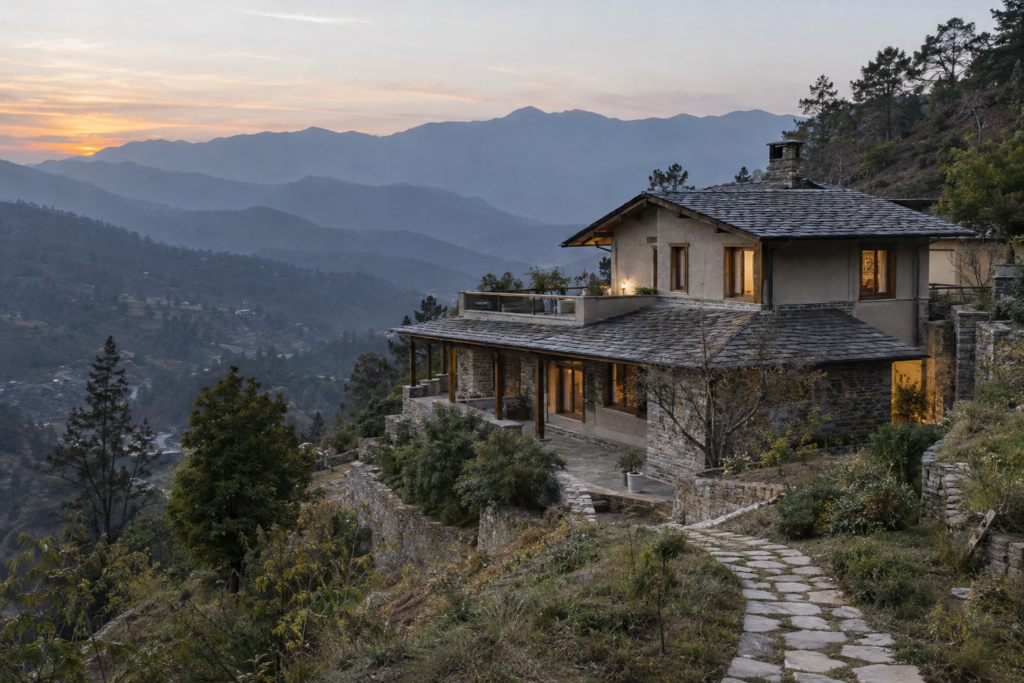
A villa can be an excellent choice for buyers who want a private mountain home with enough space for family life.
It may be particularly suitable for families who plan to spend extended periods in Uttarakhand or want to create a long-term retreat that can be used by multiple generations.
Advantages of owning a villa
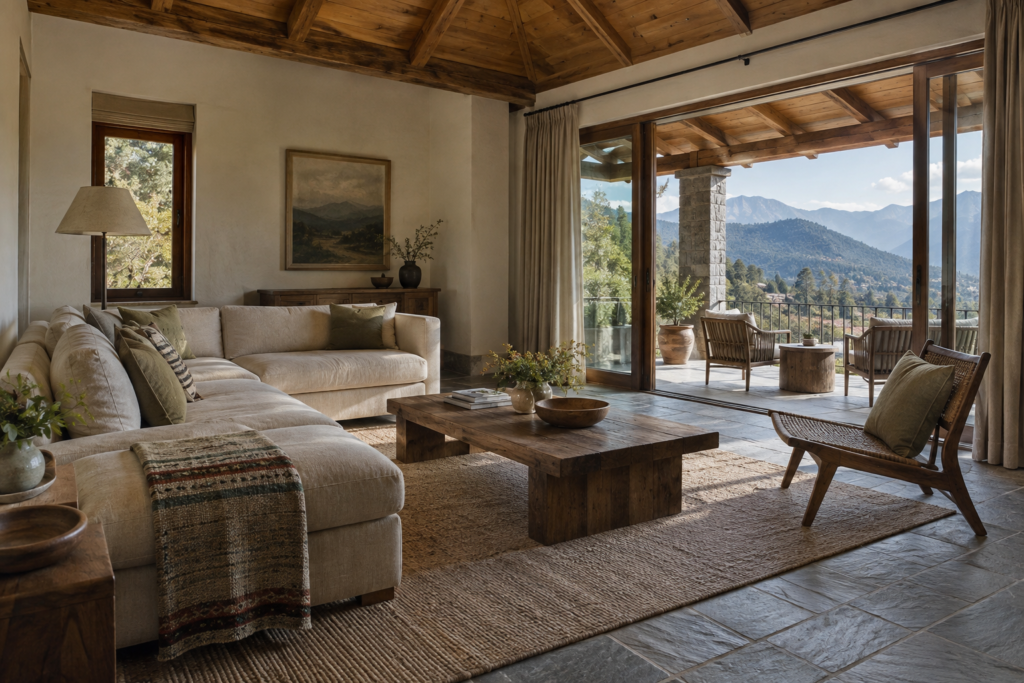
A villa may offer:
- More bedrooms
- Larger living and dining areas
- Greater privacy
- Private terraces or gardens
- More space for children and guests
- Better suitability for extended family stays
- Greater control over interiors and furnishing
- Flexibility for personal use
- The possibility of adapting the home over time
For a family, a villa can feel more like a complete second home rather than a short-stay accommodation unit.
It may provide enough flexibility for festivals, holidays, family gatherings, remote working and longer stays.
Responsibilities of owning a villa
The greater freedom of a villa usually comes with greater responsibility.
When a villa remains unoccupied for several weeks or months, it requires regular inspection and care. Water leakage, dampness, electrical faults, pests, damage from weather and security concerns can become difficult to manage if nobody is available locally.
Before buying a villa, consider:
- Who will inspect the property when you are away?
- Is there a reliable caretaker?
- How will repairs be coordinated?
- Is the property protected from water runoff and dampness?
- Is the roof suitable for local weather conditions?
- How will water storage and supply be managed?
- Is there adequate electricity backup?
- Is mobile connectivity and internet service reliable?
- How much will landscaping and regular maintenance cost?
- Is the access road suitable throughout the year?
A villa can offer privacy and independence, but it should be supported by a practical ownership plan.
Choosing a cottage as your second home
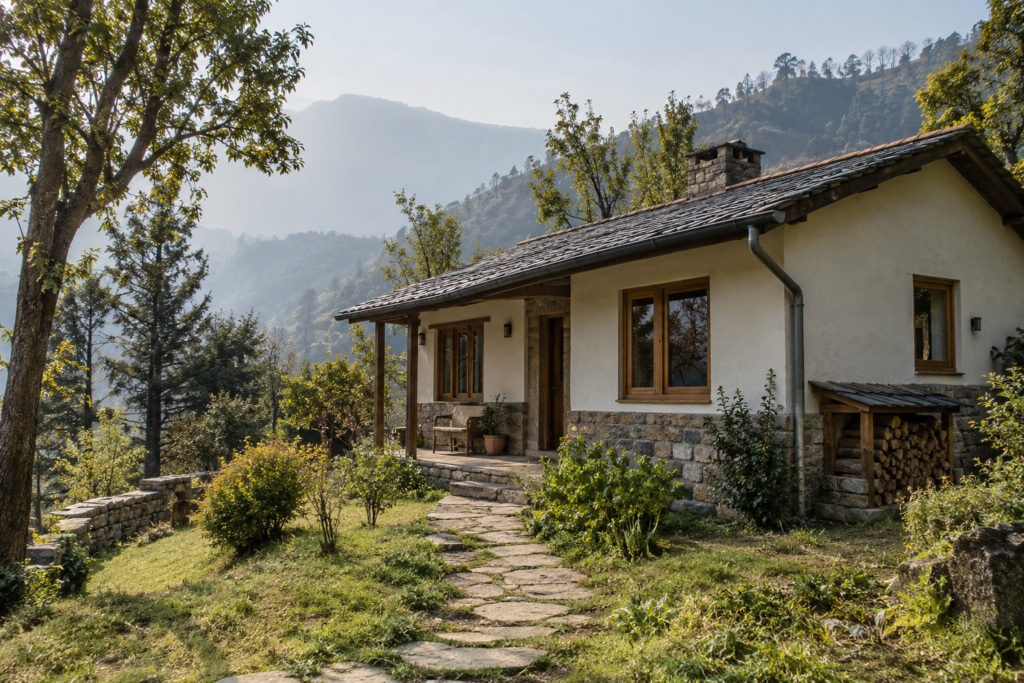
A cottage may be ideal for buyers who want a smaller, calmer and more personal mountain retreat.
It can work well for couples, small families, professionals who want a weekend home or buyers who prefer a simpler property with less unused space.
Advantages of owning a cottage
A cottage may provide:
- A more intimate living environment
- Lower space requirements
- Easier furnishing
- A practical layout for shorter stays
- A warm and private atmosphere
- Less unused interior space
- A simpler daily maintenance routine
- A suitable retreat for couples or small families
A well-designed cottage can feel extremely comfortable when its layout is planned carefully.
The most important factor is not size alone. It is how efficiently the space is designed.
A compact cottage should have practical storage, comfortable bedrooms, a usable kitchen, sufficient natural light, good ventilation and an outdoor area that can actually be used.
What should you check before buying a cottage?
A cottage that looks perfect for a weekend may feel restrictive during a longer stay.
Before purchasing, consider:
- Is there enough storage?
- Is the kitchen suitable for regular use?
- Are the bedrooms comfortable for extended stays?
- Is there sufficient bathroom access?
- Is heating or insulation adequate?
- Is there enough space for guests?
- Is parking conveniently located?
- Is the outdoor space usable during different seasons?
- Will the property still suit your family in the future?
Many buyers purchase for their current needs but forget that their family requirements may change.
Children may grow up, parents may begin spending more time with them and guests may visit more frequently. A cottage should therefore be assessed for both present and future use.
Choosing a managed residence as your second home
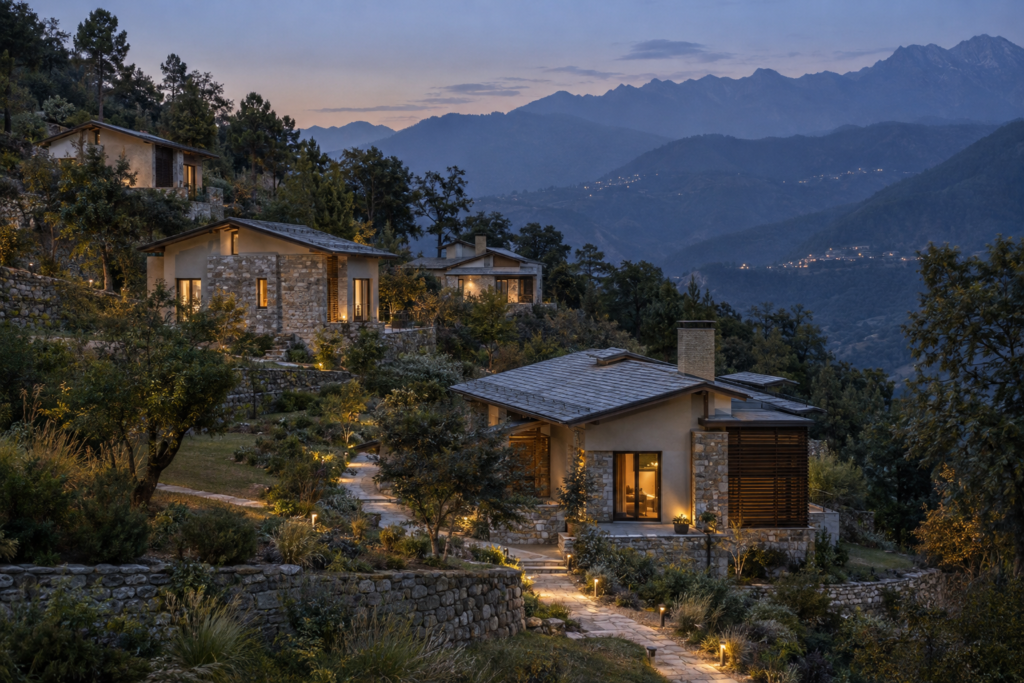
A managed residence may be suitable for buyers who want a mountain property but live far away or have limited time to personally manage it.
For a Delhi-NCR buyer, the distance between the city and Uttarakhand can make regular maintenance difficult. A managed residence may provide a more organised system for handling selected operational responsibilities.
Advantages of a managed residence
A managed residence may offer:
- Coordinated maintenance
- Common-area upkeep
- Landscaping support
- Security arrangements
- A defined process for reporting issues
- Assistance while the owner is away
- A more structured community environment
- Reduced involvement in routine operations
This can be particularly valuable for owners who want to visit when convenient without managing every small operational task from another city.
What does “managed” actually include?
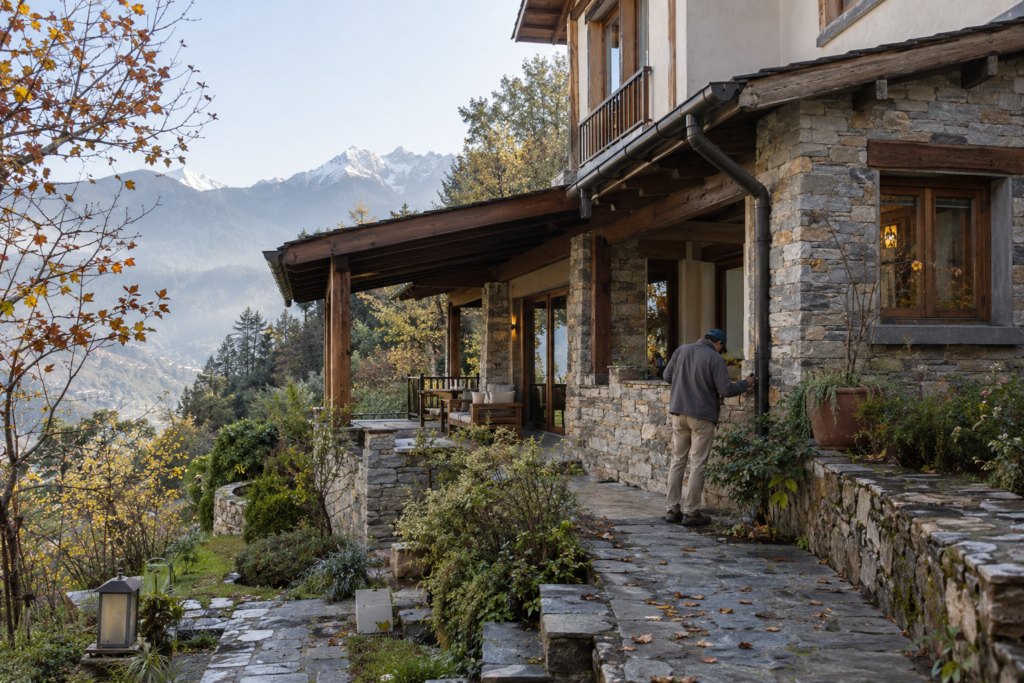
The word “managed” can mean different things in different projects.
Before purchasing, ask exactly what is included.
Important questions include:
- What services are covered by the management fee?
- Are interior repairs included?
- Who pays for electricity, water and internet?
- Are cleaning services included?
- How are emergency repairs handled?
- How frequently is the property inspected?
- Is security available throughout the year?
- Are there additional charges for guests?
- Are there restrictions on interior changes?
- Can owners select their own vendors?
- Can the management company change its fees?
- Is rental or holiday hosting permitted?
- Is participation in a rental programme optional?
- Who is responsible for damage caused by guests?
- What happens if the management provider changes?
Never depend only on phrases such as “fully managed”, “hassle-free” or “maintenance-free”.
The actual management agreement is more important than the marketing language.
What is the right option for buyers who live in Delhi NCR?
For buyers living in Delhi NCR, the decision should be based on realistic usage and travel patterns.
If you expect to visit frequently and want complete control, a villa may be appropriate.
If you want a smaller weekend retreat and do not require extensive space, a cottage may be more practical.
If you expect the property to remain closed for long periods and want professional operational support, a managed residence may deserve closer consideration.
You should also evaluate the entire travel experience:
- How long does the journey realistically take?
- Is the final road approach comfortable?
- Can elderly family members access the property easily?
- Are essential services available nearby?
- Is the property accessible during different weather conditions?
- Is medical assistance available within a practical distance?
- Is the area suitable for your family’s intended lifestyle?
A property may be geographically close to a popular destination but still be inconvenient if the final approach is difficult or essential services are far away.
Location matters as much as the property
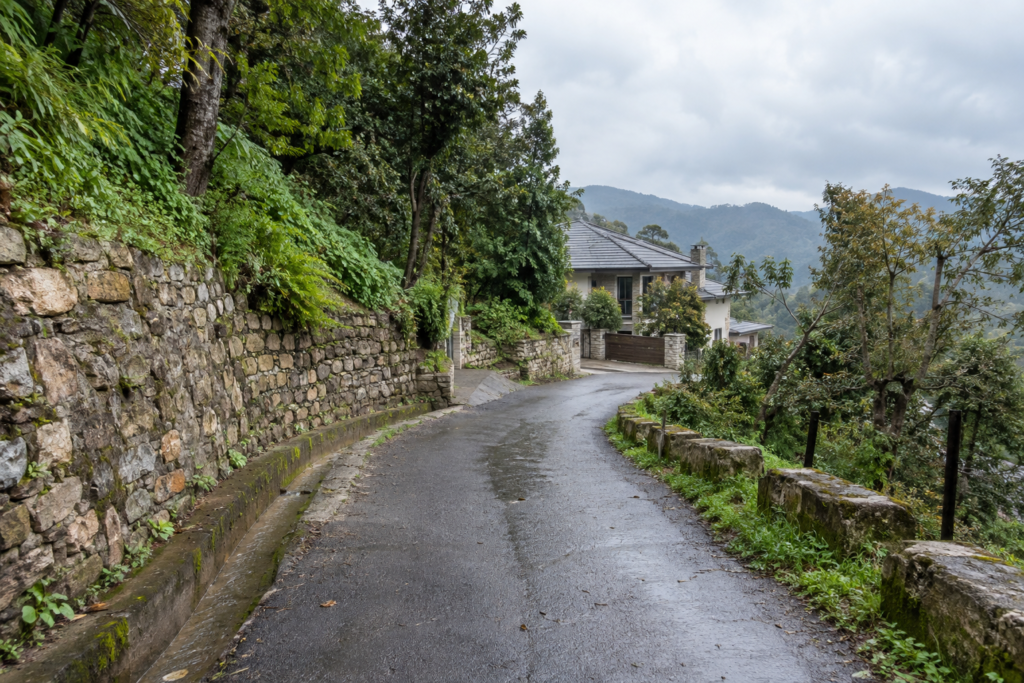
A second home is not only the building. It is also the location, surroundings, access and services that support daily life.
Locations such as Mukteshwar, Bhimtal and Nainital may appeal to different types of buyers, but each property must be evaluated individually.
Before selecting a location, examine:
Access
Check the quality of the approach road, parking availability, emergency access and ease of travel for all family members.
Terrain
Mountain properties require careful evaluation of slope, retaining structures, drainage and the way rainwater moves across the site.
Water
Ask about the source, storage capacity, regularity of supply and responsibility for maintenance.
Electricity and internet
A second home may be used for remote work, streaming, communication and security systems. Confirm electricity reliability, backup arrangements and internet availability.
Nearby facilities
Consider the distance to markets, medical services, pharmacies, schools, restaurants and other daily necessities.
Surroundings
A view may change if neighbouring land is developed. Buyers should understand what is privately controlled, what is shared and what depends on currently undeveloped land.
Future usability
A property should remain suitable for your family as your needs change. Think beyond the first few visits.
Should rental income influence your decision?
Some buyers want their second home to generate income when they are not using it. This can be possible in certain cases, but it should never be treated as automatic or guaranteed.
Rental performance depends on:
- Location
- Demand
- Seasonality
- Property quality
- Furnishing
- Accessibility
- Local requirements
- Management fees
- Cleaning and maintenance expenses
- Guest experience
- Competition
- Personal usage
A realistic rental calculation should include:
- Expected occupied nights
- Low-season vacancy
- Cleaning charges
- Linen and housekeeping costs
- Repairs and replacement costs
- Management fees
- Utility bills
- Taxes
- Insurance
- Marketing or platform charges
- Periods reserved for personal use
A property should make sense for you even if rental income is lower than expected.
The strongest reason to buy a second home should be its suitability for your family and your long-term plans. Potential rental use can be considered as an additional possibility, but it should not replace proper financial evaluation.
Important checks before buying a second home

Before committing to any property in Uttarakhand, carry out independent legal and technical due diligence.
Depending on the property, the review may include:
- Ownership and title documents
- Encumbrance and dispute checks
- Applicable land-use permissions
- Approved building plans
- Construction and possession documents
- Access rights
- Road ownership and maintenance responsibility
- Plot boundaries and survey records
- Water and electricity arrangements
- Drainage and slope conditions
- Common-area ownership
- Maintenance responsibilities
- Management agreements
- Payment terms
- Registration and transaction costs
- Applicable approvals and registrations
The documents required can vary depending on the property structure and transaction.
A buyer should consult an independent property lawyer and, where appropriate, a qualified technical professional before completing the purchase.
A site visit is important, but it is not a substitute for legal and technical verification.
How to decide between a villa, cottage and managed residence
A villa may suit you if:
- You want privacy and independence
- You plan to spend extended periods in Uttarakhand
- You need multiple bedrooms
- You regularly host family and guests
- You want greater control over interiors
- You are prepared to manage maintenance responsibly
A cottage may suit you if:
- You are buying for yourself or a small family
- You want a compact weekend home
- You prefer a simpler footprint
- You do not require extensive hosting space
- You want a more intimate property
- You have verified that the space will remain suitable in the future
A managed residence may suit you if:
- You live far away from the property
- The home may remain closed for long periods
- You value organised maintenance support
- You prefer a structured community
- You are comfortable with recurring management fees
- You have carefully reviewed the management agreement
You should pause before buying if:
- The title or ownership structure is unclear
- Access rights are not properly documented
- Maintenance responsibility is vague
- Rental income is presented as guaranteed
- You are discouraged from independent due diligence
- The property only appears affordable under optimistic assumptions
- You do not have a realistic plan for using or maintaining it
- The location is attractive but daily services are impractical
How Global Investors helps buyers make thoughtful property decisions
At Global Investors, we believe that a second home should be selected through clarity rather than pressure.
Our approach begins with understanding the buyer’s actual requirements. Some buyers want privacy and space. Others want a manageable weekend retreat. Some are more concerned about long-term family use, while others need a property that can be supported while they are away.
We help buyers evaluate important factors such as:
- Location suitability
- Road access
- Terrain and drainage
- Water and electricity
- Construction and design
- Maintenance requirements
- Ownership structure
- Documentation
- Family suitability
- Long-term usability
Our property focus includes villas, cottages, plots and thoughtfully selected opportunities in Uttarakhand, including locations such as Mukteshwar, Bhimtal and Nainital.
The objective is not to present every buyer with the same answer. It is to help each buyer understand which property format is most suitable for their lifestyle, family and long-term plans.
Final thoughts
The right second home in Uttarakhand is not necessarily the largest villa, the smallest cottage or the most heavily managed residence.
It is the property that continues to work after the excitement of the first visit has passed.
Choose a villa if you want space, privacy and greater ownership control. Consider a cottage if you prefer an intimate and manageable retreat. Explore a managed residence if professional support and organised operations are important to you.
Whatever format you choose, evaluate the property carefully. Understand the documents, inspect the access, study the terrain, verify the services and calculate the complete cost of ownership.
A second home should give your family more time, comfort and meaningful experiences. With the right location, the right format and the right due diligence, it can become much more than a weekend property.
It can become a place your family returns to for years.
Begin with a thoughtful conversation
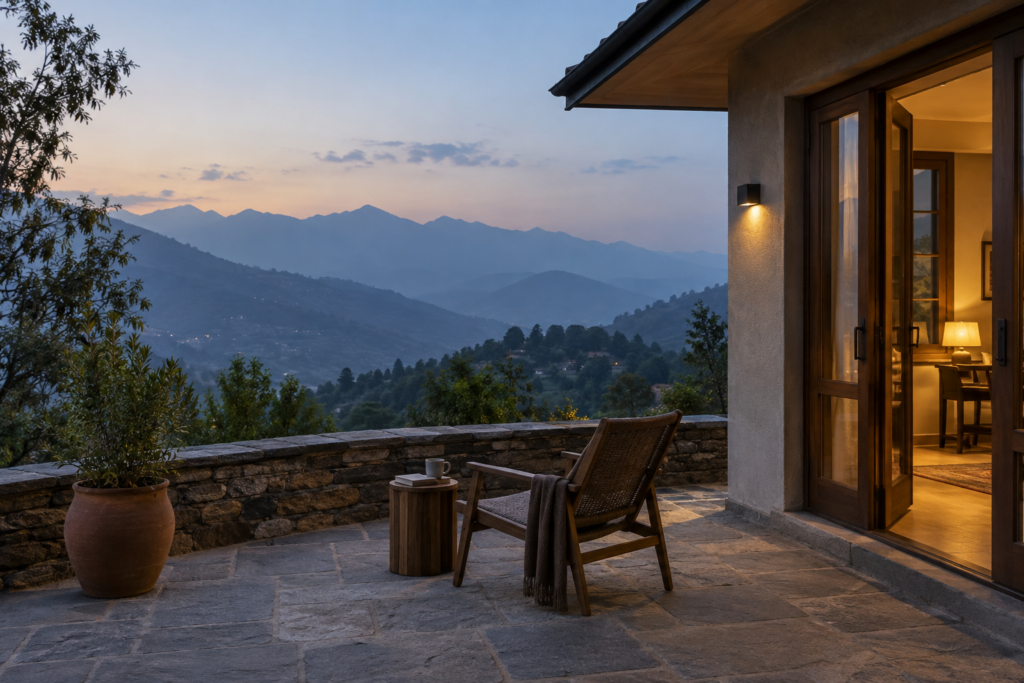
If you are exploring a second home, villa, cottage or managed residence in Uttarakhand, Global Investors can help you evaluate your options with clarity.
Global Investors
Thoughtful Properties. Remarkable Places.
Phone: +91 9582 456 456